Our Impact
Our reports
We research the questions that get overlooked. Who is missed, why it keeps happening, and what has to change in the systems that shape children's and mothers' lives.
Every report here was built alongside the people it describes - parents, carers, families and the professionals working with them - because evidence about a community should not be gathered without it.
These are our own reports. You can find research and toolkits from other organisations under Resources.
Air Pollution & Environmental Justice
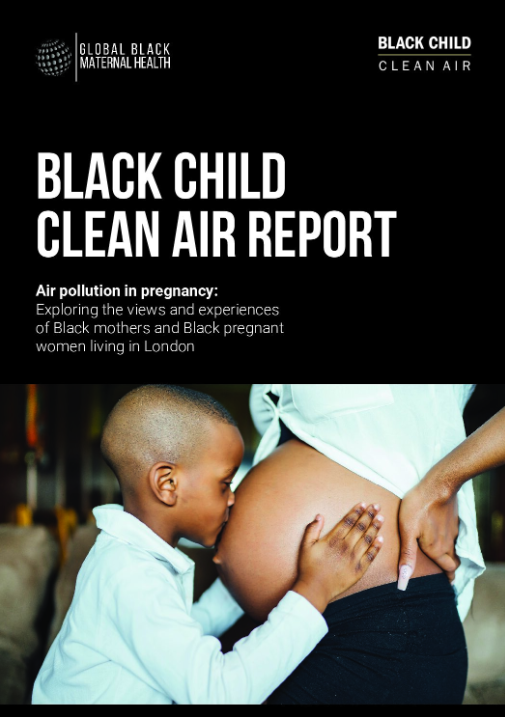
Black Child Clean Air Report
What do Black mothers know about the air they and their children breathe?
Our Black Child Clean Air Report explored how Black mothers and pregnant women understand air pollution and the risks it poses during pregnancy and childhood.
What we found was a gap between concern, knowledge and the power to act. Women were worried about air pollution, but awareness of its impact during pregnancy and early childhood was much lower - and even when families wanted to reduce their exposure, where they lived, their finances and the support they relied on could limit the choices available to them.
The message was clear: protecting mothers and their children from air pollution cannot be left to them alone.
The report sets out what needs to change across healthcare, policy and communities - and helped lay the foundations for the Black Child Clean Air work we're continuing today.
Read the report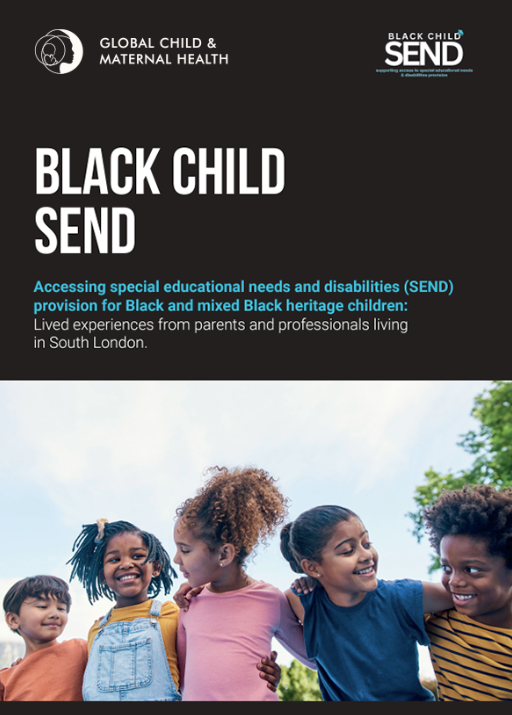
SEND Equity
Black Child SEND Report
Accessing special educational needs and disabilities (SEND) provision for Black and mixed Black heritage children
Our report explores the lived experiences of parents and professionals in South London, highlighting the barriers Black and mixed Black heritage children face in accessing timely, appropriate and equitable SEND support.
It reveals how racial bias, low expectations and a lack of cultural understanding can lead to children's needs being misunderstood, pathologised or missed altogether - and sets out what needs to change to create a fairer, more inclusive system.
Read the report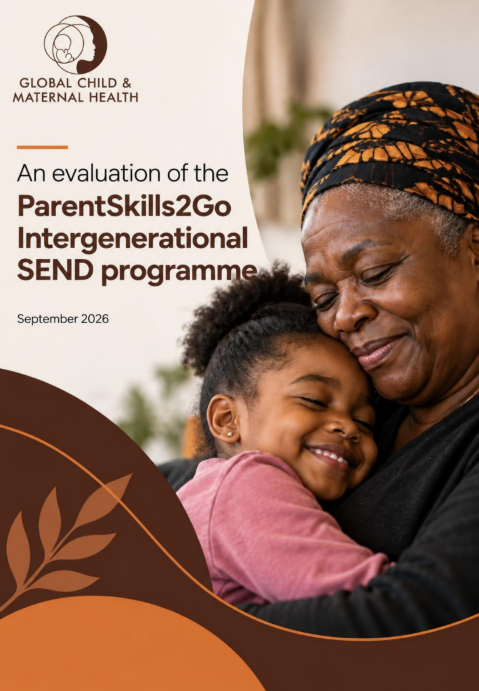
SEND Equity & Community
The Intergenerational Project
What changes when grandparents are part of the conversation about SEND?
Our evaluation looked at ParentSkills2Go's intergenerational SEND work, which grew out of their My Child and Me programme. That programme began during the pandemic to support Black mothers' mental health alongside their children's wellbeing, added information on autism, ADHD and anxiety, and later widened to bring in grandparents.
What we found was that the value of the work went well beyond what families learned about SEND. Understandings of additional needs are shaped by culture, faith, migration and experiences of racism, and the programme worked because it started from where families already were - talking about sensory needs through familiar foods, and reaching grandparents through sewing groups, after-school provision and holiday activities rather than formal invitations. Sessions ran online so that grandparents who could not easily travel could still take part.
Trust was the mechanism, not the by-product. People shared more once trust had been built, and learning from someone who shared their background mattered as much as the information itself.
The evaluation also showed how much rested on a single funded community role, and that grandparents arrive with needs of their own. It sets out what it would take to do this properly: identifying and supporting more trusted community connectors, training grandparents to hold informal sessions within the groups and faith communities they already belong to, and resourcing the recruitment, training and coordination rather than relying on goodwill and unpaid work.
Read the reportMore of our work