
Environmental Audit Committee
When lived experience
became evidence.
You can hand a committee a report about air quality. Or you can hand them a monitor, walk them down the road at the school run, and let them watch the number climb.
Why we were there
This was not a typical inquiry.
As part of its inquiry into air pollution in England, the UK Parliament's Environmental Audit Committee stepped beyond Westminster to hear directly from the communities, educators, researchers and organisations working closest to the issue.
We were invited to help make sure lived experience sat alongside the other evidence. Not as a case study at the end of a report, and not as a quote to illustrate somebody else's data, but as evidence in its own right.
It was an on-the-ground examination of the unequal impacts of air pollution, turning something usually described through statistics into something immediate and visible.
On the ground
The day
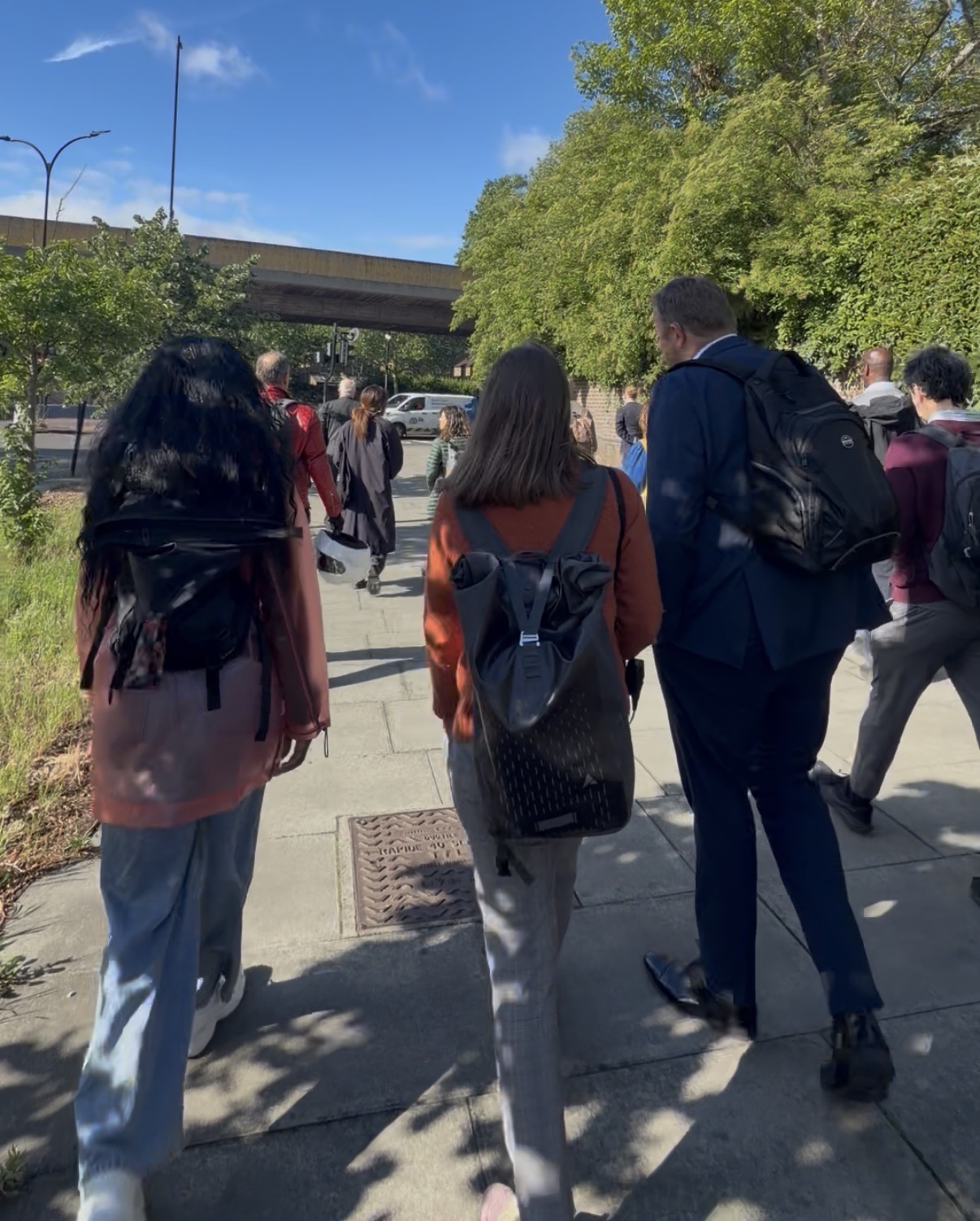
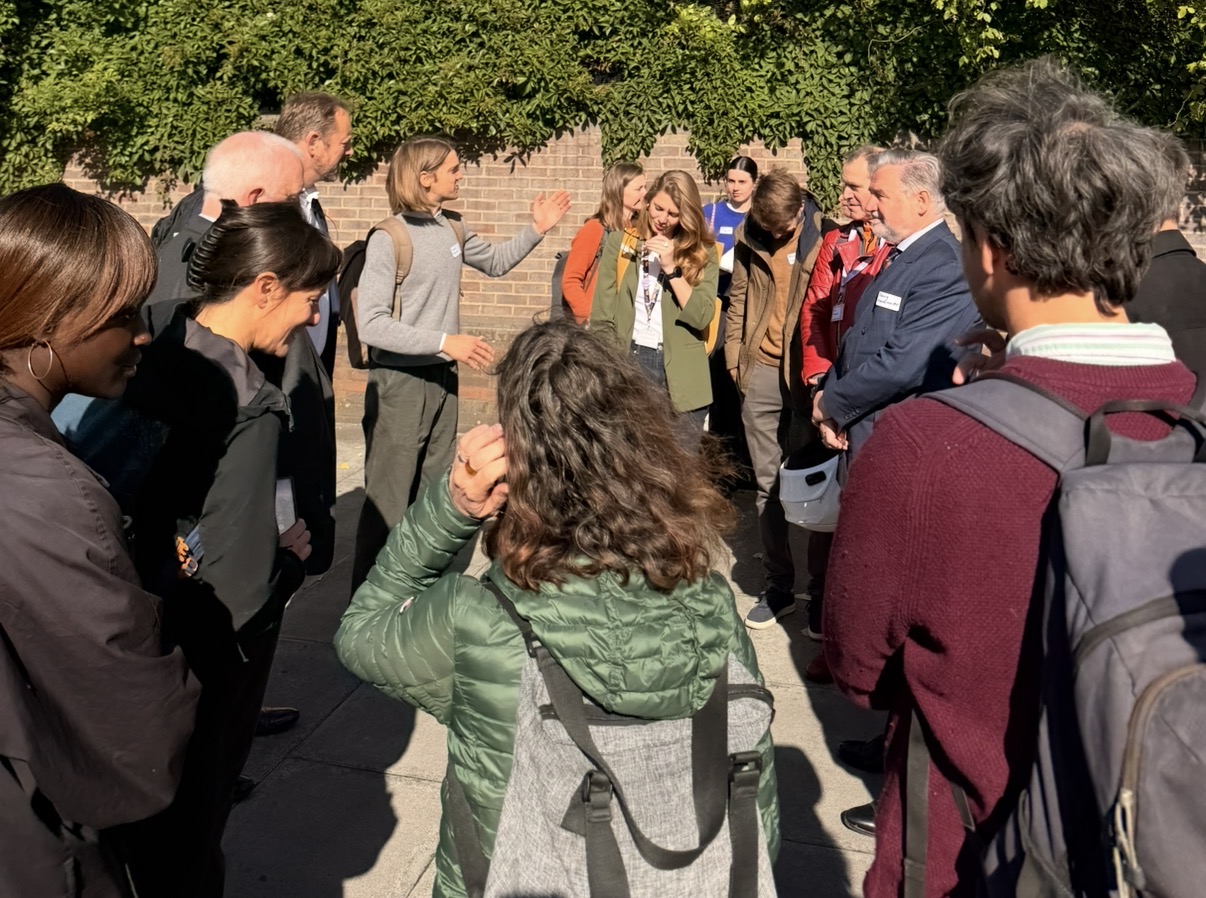
The visit took MPs out of Westminster and onto the streets where the problem actually lives. Air quality monitors were handed out at the start, and from there the readings did most of the arguing.
From the day: MPs on the Old Kent Road.
First stop
Old Kent Road, South London
Being there let everyone see how air pollution is experienced in the places where people actually live, learn and work, rather than on a map of it.
The school
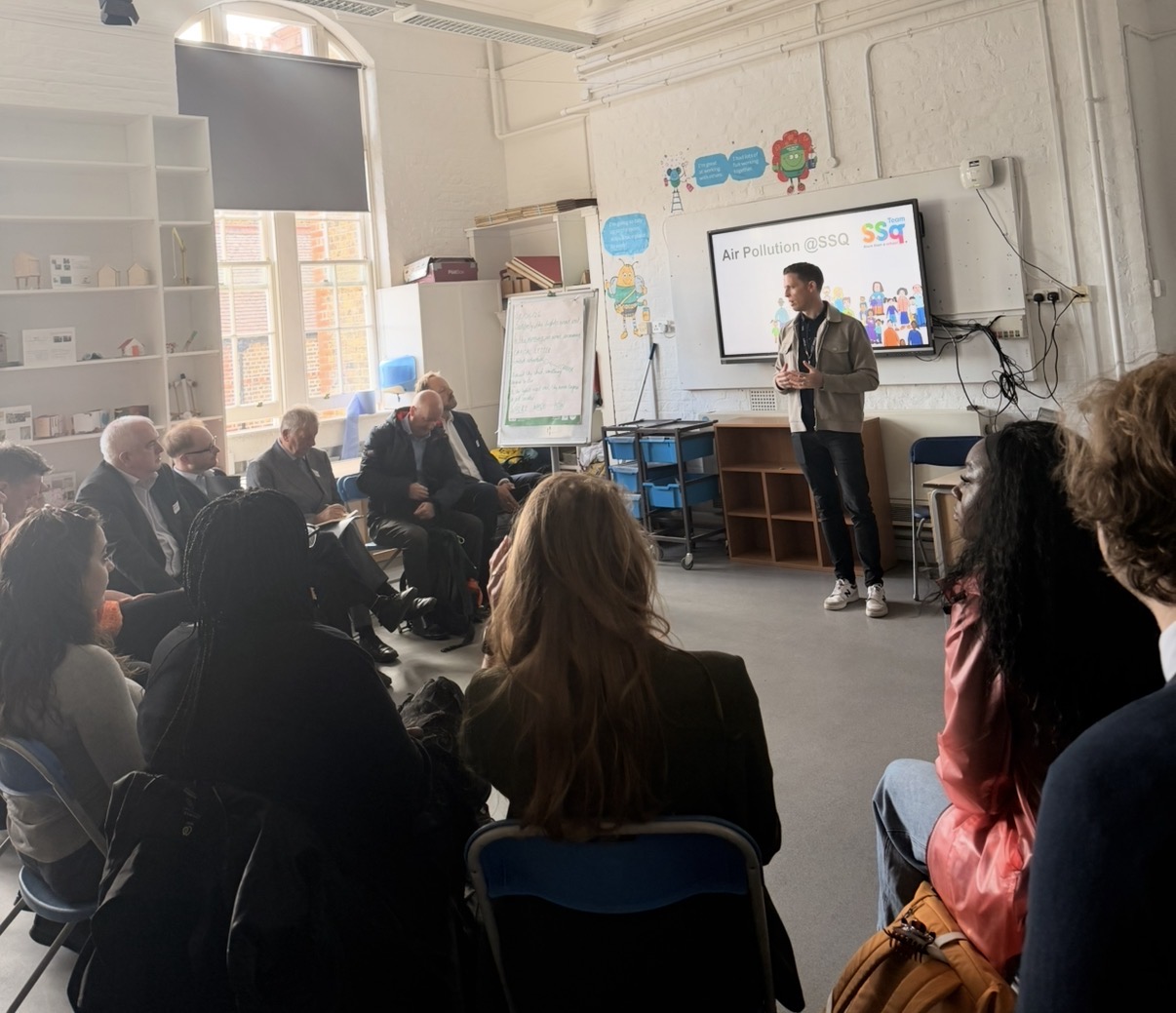
Surrey Square School
Children were already learning about the air they breathe and working out cleaner routes to school. They understood the problem perfectly well. They had simply never been asked.
The construction site
Where the decisions get made
At a nearby development we looked at how planning and building decisions shape the air quality a neighbourhood ends up living with for decades afterwards.
The roundtable
Back in Parliament
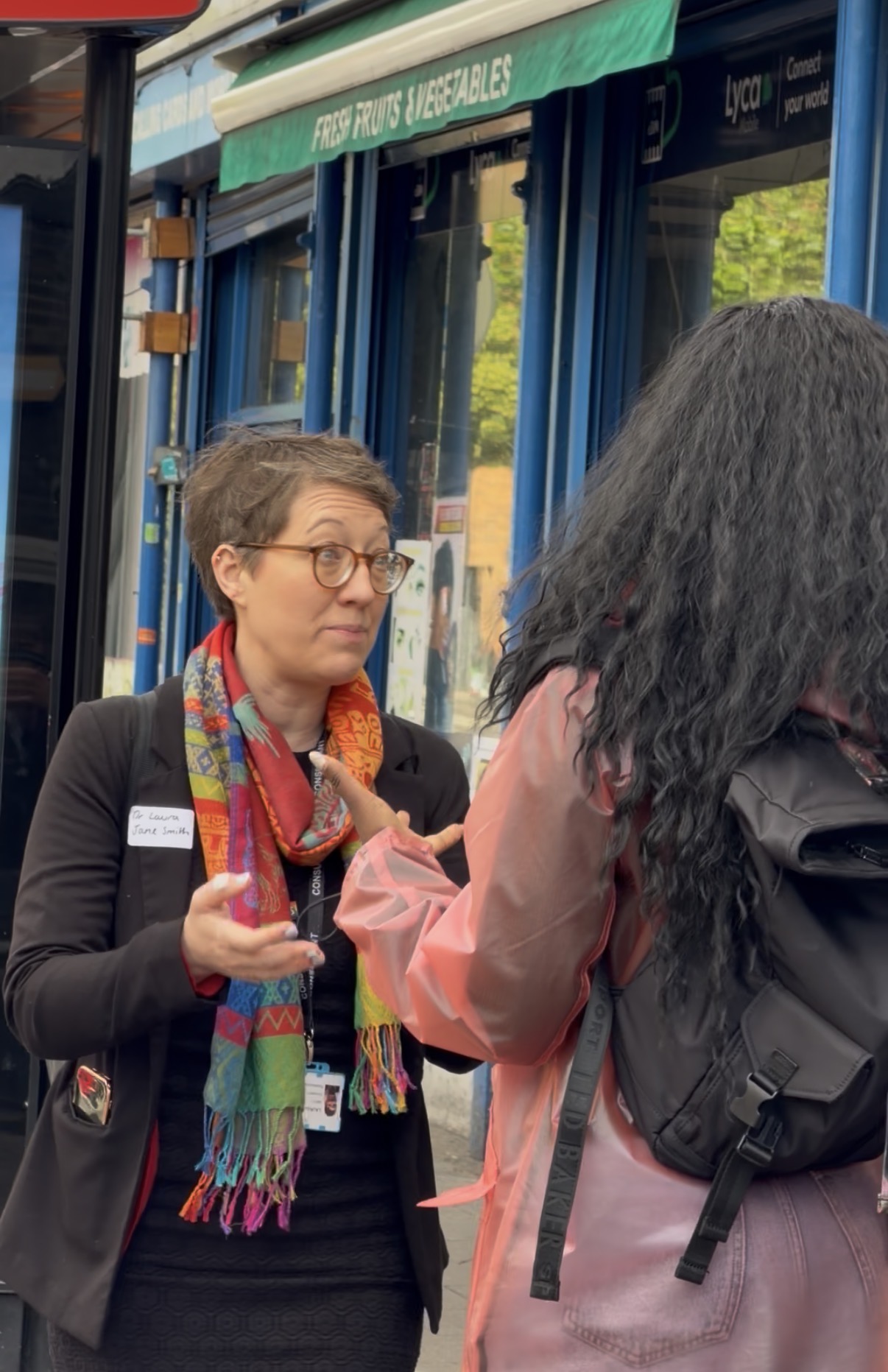
Residents, parents and community organisations were invited to share what living with air pollution is actually like. The site visits showed what it looks like. This is where we heard what it feels like.
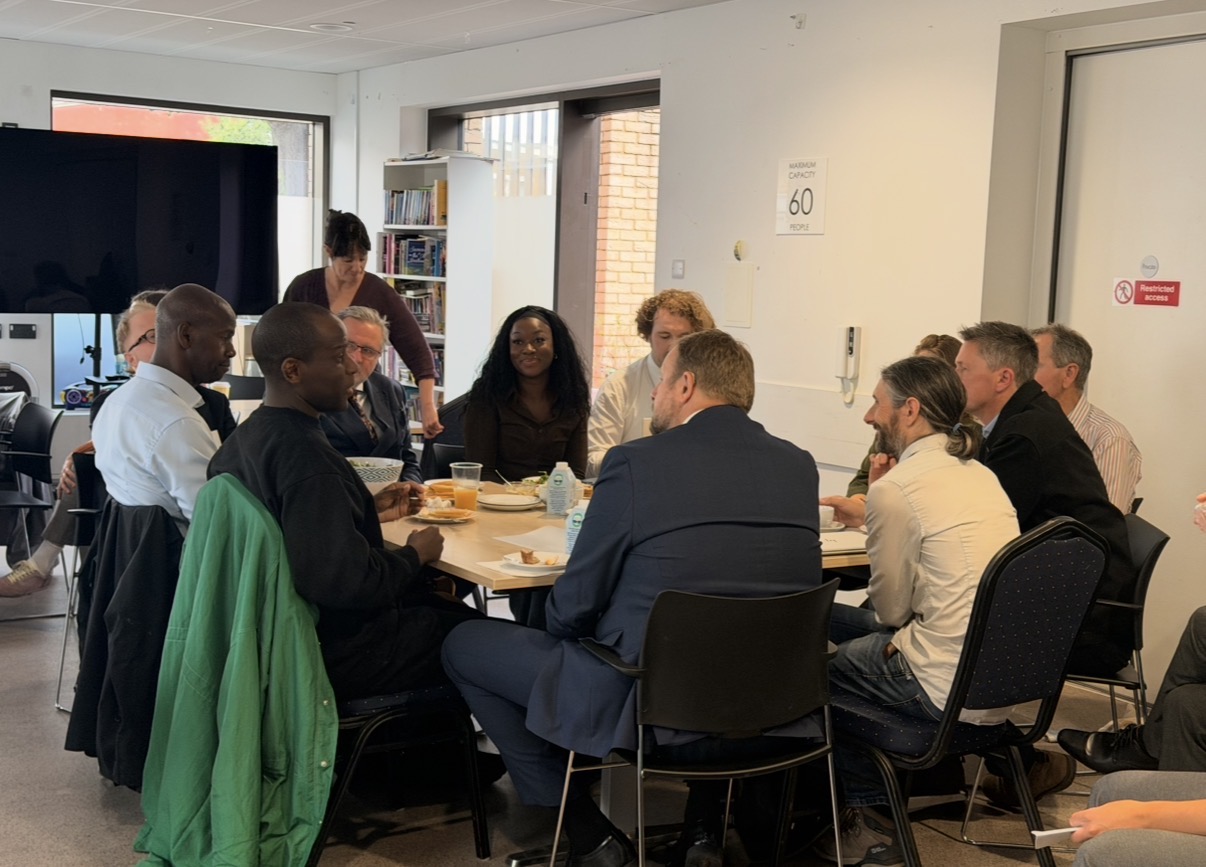
In the room
The evidence started
with everyday life.
Community members did not talk in the language of emissions targets. They connected the policy debate to the barriers families actually run into, and those barriers turned out to be depressingly specific:
People also described how safety shapes what is possible. For many women, a journey home includes deciding whether it is safe to walk alone after dark. Travel choices get shaped by time, cost, caring responsibilities, accessibility and personal safety long before they are shaped by preference.
None of that appears in a dataset about vehicle emissions. All of it determines whether a family can act on advice to avoid polluted air.
When we ignore those realities, we mistake unequal circumstances for individual choice.
The outcome
Then the language changed.
The issues raised in that room did not stay in it. In the weeks that followed, race, income and health inequality became far more visible in the way air pollution was discussed in Parliament, reflecting the realities community members had described.
Clean air is an equity issue: those more likely to have underlying conditions are also more likely to live in environments that worsen them.
Martin Rhodes MP Environmental Audit Committee
The dirtiest air sits over the poorest neighbourhoods. Black and minority ethnic communities and those on low incomes are far more likely to be exposed to air pollution while contributing the least to it.
Stephen Morgan MP Minister for Air Quality
When communities are invited into policy spaces, the conversation changes. Not because lived experience replaces data, but because lived experience is data.
What happens next
A shift in language is not a shift in policy.
The test of this inquiry is what the Committee's report asks for, and what the government does in response to it.
We will keep pushing for the communities carrying the heaviest burden of air pollution to be named in that report, not referenced around the edges of it.
To add: our three policy asks
The three things we are asking the EAC report to include. These were planned as the centrepiece of the campaign but have not been written up yet. Once they exist they belong here, and the page ends on a demand rather than an intention.