SEND Equity
All children deserve the opportunity to learn, participate and thrive at school.
Every child deserves to be seen, understood and supported – but not every child is seen in the same way.
For children with Special Educational Needs and Disabilities (SEND), recognising need early and providing the right support can make a lasting difference to their education, wellbeing and future.
But whilst SEND affects children from all backgrounds, the journey to getting support isn’t the same for every family.
Why recognition matters
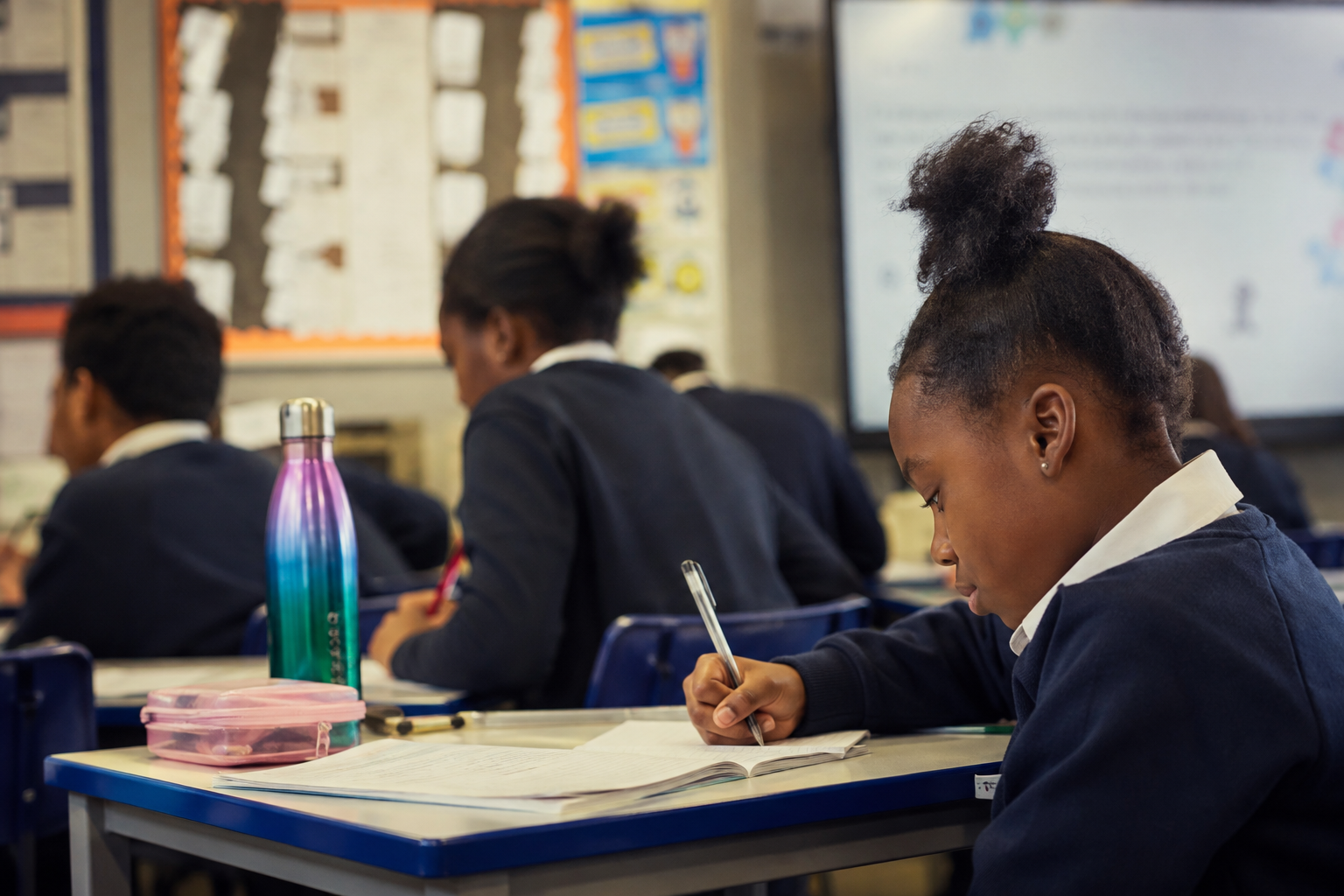
For children with SEND, recognising additional needs early is essential to making sure they receive the right support at the right time. Yet, for many Black families, this simply isn’t their experience.
Through our work at Global Child and Maternal Health, we’ve heard consistent accounts of additional needs being recognised too late, behaviour too often being interpreted as pathological rather than understood as a possible expression of unmet need, and parents and carers having to repeatedly advocate for support that should never have been a battle.
These experiences have real consequences.
Children with SEND are disproportionately suspended and permanently excluded from school and, in England, Black Caribbean pupils face these sanctions at a greater rate compared with children from other ethnic groups.
When the education system responds differently to the needs of Black children and their families, SEND stops being just an education issue – it becomes a racial equity issue.
Seeing the whole child
At Global Child and Maternal Health, we believe creating a fairer education system starts with seeing the whole child.
Creating a more equitable SEND system isn’t just about identifying additional needs. It’s about understanding children in the context of their lives and recognising how culture, identity, lived experience, and the education system itself shape the way needs are recognised, understood and responded to.
That starts by asking the right questions. We ask questions like…
How we create change
Building the evidence
We generate research that brings together data, lived experience and community knowledge to better understand how Black children and families experience the SEND system – and what needs to change.
Learn more about building the evidence →Changing practice
We translate research and lived experience into practical resources, learning opportunities and conversations that help professionals think differently, challenge inequities and improve practice.
Learn more about changing practice →Mobilising collective action
We believe lasting systems change happens when those affected by inequity are part of shaping the solutions. That’s why we bring together families, educators, researchers, charities, policymakers and community organisations to turn evidence into collective action.
Learn more about mobilising collective action →Influencing policy
We work with government, education leaders and national organisations to translate evidence into policy, ensuring equity is considered in the decisions that shape children’s lives.
Learn more about influencing policy →What needs to change
For too long, Black children and their families have had to navigate an education system that doesn’t always work for them.
Changing that means listening to families, challenging assumptions and ensuring equity is built into the decisions that shape children’s experiences from the very beginning.
At Global Child and Maternal Health, we’re working towards a future where every child is seen, supported and has the opportunity to thrive.
Our Research
Black Child SEND Report
Accessing special educational needs and disabilities (SEND) provision for Black and mixed Black heritage children
Our report explores the lived experiences of parents and professionals in South London, highlighting the barriers Black and mixed Black heritage children face in accessing timely, appropriate and equitable SEND support.
It reveals how racial bias, low expectations and a lack of cultural understanding can lead to children’s needs being misunderstood, pathologised or missed altogether – and sets out what needs to change to create a fairer, more inclusive system.
Read the report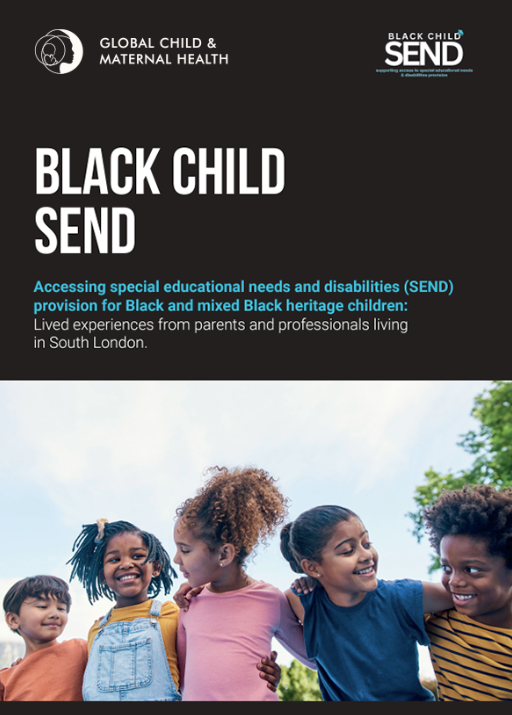
We’re building aSEND Equity Alliance
Building the Alliance together
We’re bringing together Black child-centred organisations and leaders working across SEND, education, health and racial equity to build the SEND Equity Alliance.
Fourteen organisations have joined the Alliance so far, bringing different expertise, perspectives and connections to Black children and families.
We’re now working with members to build the next phase of the Alliance – developing how we work together, identifying shared priorities and creating the infrastructure needed to turn individual expertise into collective action.
Get Involved
Join the SEND Equity Alliance
If your organisation works with or advocates for Black and global majority children with SEND, we would love to talk.
Black Child SEND Conference 2026
Centring the voices that policy too often ignores
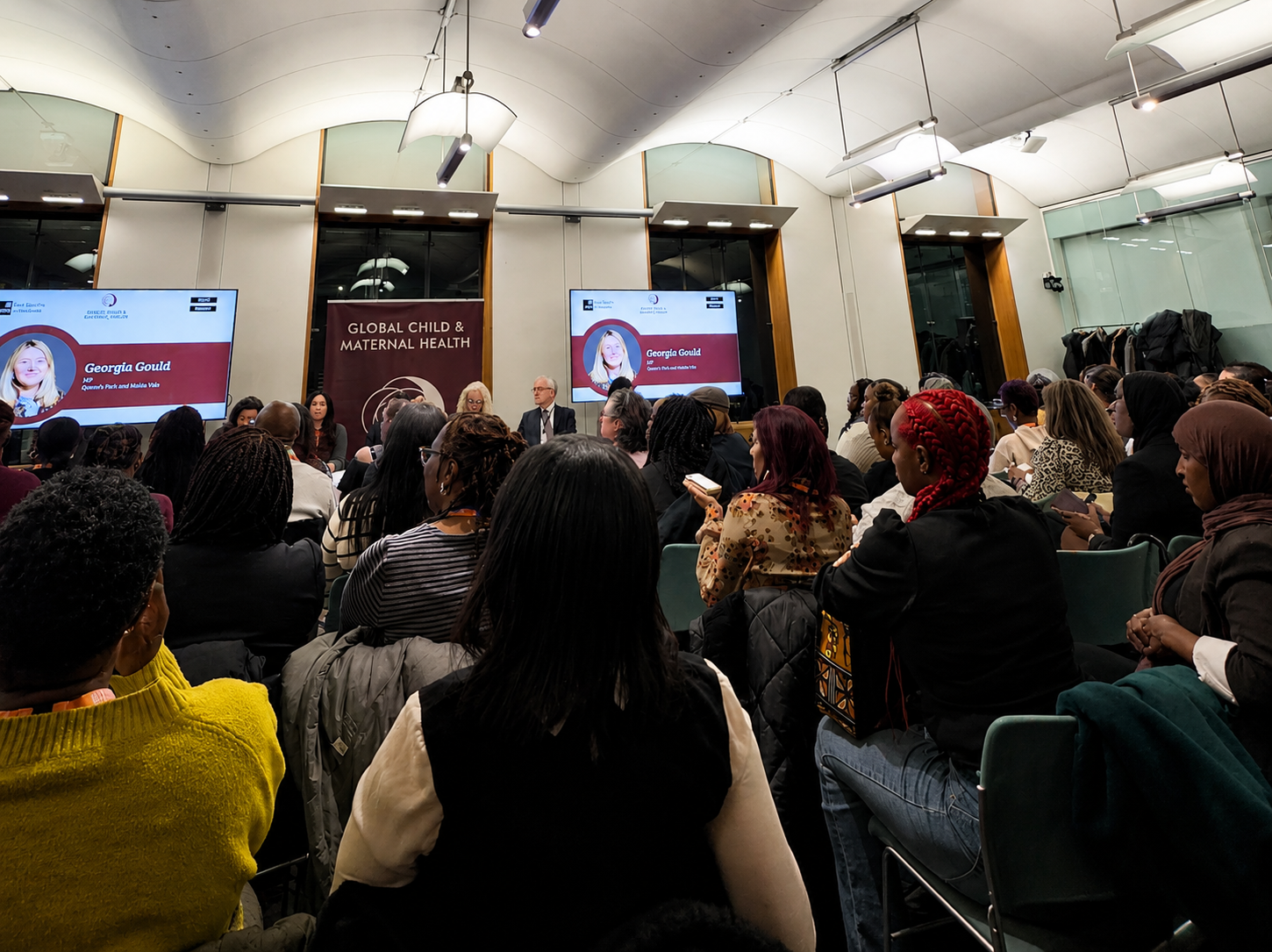
On 10 February 2026, we gathered in Parliament to place the lived experiences, evidence and expertise of those working at the intersection of race, disability and education at the centre of a national conversation. Alongside the conference, we marked the launch of the SEND Equity Alliance.
View conference